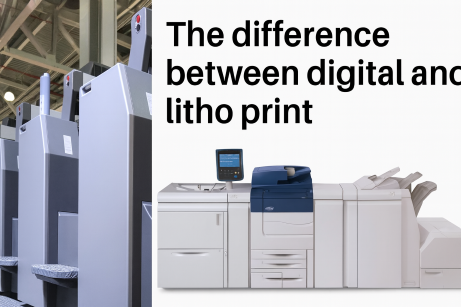
When you order print, you’ll often hear the terms digital and litho. Both methods produce excellent results, but they’re suited to different types of projects. Here’s a clear breakdown to help you choose the right one.
Digital Printing
Digital printing works like a high‑end version of your home printer — fast, flexible, and ideal for short runs.
Best for:
- Small quantities
- Quick turnarounds
- Personalised prints (names, variable data)
- Flyers, posters, business cards, menus, stickers
Pros:
- No setup plates → cheaper for small orders
- Fast production
- Great colour accuracy
- Easy to print small batches or test runs
Cons:
- Slightly less consistent colour on very large runs
- Limited to certain paper types compared to litho
🏭 Litho (Offset) Printing
Litho uses metal plates and ink rollers to transfer your design onto paper. It’s the traditional method used for large‑scale, premium printing.
Best for:
- Large quantities
- Colour‑critical projects
- High‑end brochures, magazines, packaging, stationery
Pros:
- Exceptional colour consistency
- Cost‑effective for big runs
- Works with a wide range of papers and finishes
- Premium, professional results
Cons:
- Longer setup time
- Not ideal for small quantities
- Slower turnaround
🎯 So… Which One Do You Need?
- Small order, fast turnaround, or personalised prints? → Digital
- Large order, premium finish, or exact colour matching? → Litho
If you’re unsure, The Graphic Print Shop can recommend the best method based on quantity, budget, and finish.